Photography Release Form for Film Production: 4 Clauses Every Set Photographer Needs
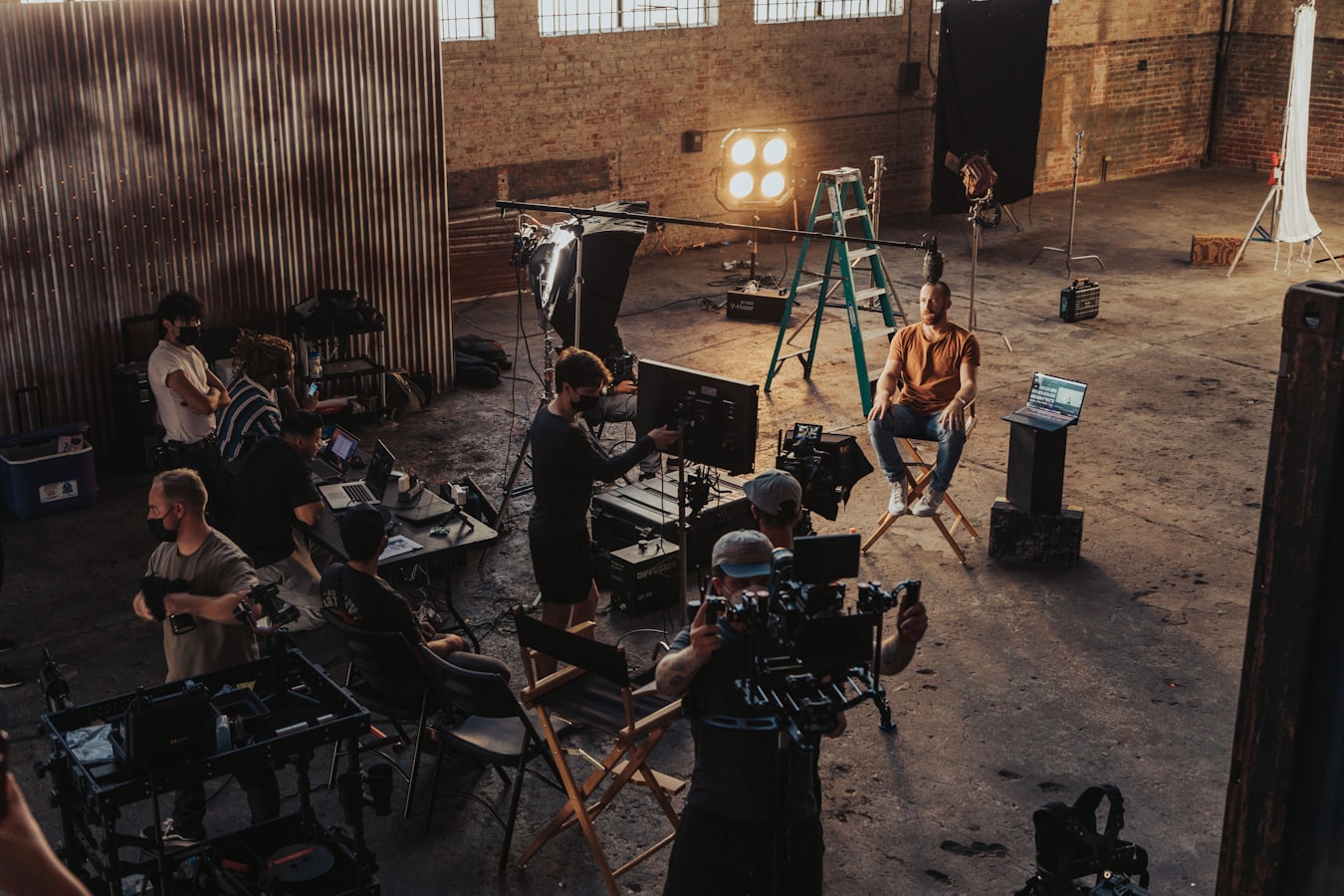
You were hired to shoot on a film or TV set. Maybe it was a two-week feature in Atlanta, a streaming pilot in New York, or a network procedural in Los Angeles. You captured hundreds of frames: cast laughing between takes, the director leaning over a monitor, a wide shot of the full crew during a setup change. You also shot clean, lit promotional portraits and marketing stills specifically designed for press kits and social media campaigns.
Now the wrap party is tonight. Tomorrow, half the cast flies home.
If you have not collected a signed photography release form for every identifiable person who appeared in your lens, you are chasing paper across three time zones starting tomorrow morning.
This article is for working photographers hired by productions, not for production legal departments. It explains why the talent contract the production uses does not cover your photography, and it walks through the four specific clauses your release form must include before the set goes dark.
Why Film and TV Sets Need a Separate Photography Release Form (Not Just the Production's Talent Contract)
The production has contracts. SAG-AFTRA agreements, day-player deals, crew agreements, location agreements. Photographers new to set work assume that paperwork covers their images. It usually does not.
Talent contracts govern what the production can do with an actor's performance. Your stills are a separate creative work. You own the copyright to those images (unless you signed a work-for-hire agreement), and the rights to use someone's face or likeness in your photographs are governed by right-of-publicity law and, at minimum, by what the subject actually agreed to in writing.
California Civil Code Section 3344 requires written consent for commercial use of a person's likeness. New York Civil Rights Law §§ 50 and 51 impose similar requirements. Texas Business and Commerce Code § 26.012 covers publicity rights there. None of those statutes care whether the production has a talent contract on file. They ask whether the person in your photograph consented to the specific use you are making of their image. If the answer is not documented in your paperwork, you have a gap.
Set photographers frequently appear in two legal relationships at once: they are engaged by the production, and they are also the authors of photographs that the production, a studio, a network, a streamer, or a publicist may eventually publish. A model release form you collect directly from the subject protects your documentation of consent for those downstream uses. The production's talent contract does not do that job for you.
The 4 Clauses Your Photography Release Form for Film Production Must Include
Generic release templates often fail on set because they were written for a single photographer selling prints or licensing a headshot to a local business. Film and TV distribution chains are longer, and the images you shoot on day one of principal photography may surface in press coverage three years after the show premieres. Your release needs to account for that reality from the start.
Clause 1: Dual-Use Scope, BTS and Promotional Images Are Not the Same Thing
Behind-the-scenes stills and promotional images are both photographs taken on the same set, sometimes with the same camera, on the same day. They are not the same thing from a usage standpoint.
BTS images are documentary. They capture the process of making a production. They appear in making-of features, DVD extras, press junket coverage, and social media content that conveys an informal, candid tone. The subject is typically recognizable but in a context that reads as journalism or content marketing rather than advertising.
Promotional images are purpose-built for marketing. A lit portrait of the lead cast member against a clean background, used on a streaming service's title card or on a billboard, is commercial use. In states with strong right-of-publicity statutes, that distinction matters to how courts read consent. The piece you wrote explaining commercial versus editorial use in model releases is worth reading before you finalize your form language.
Your release clause for scope needs to name both categories explicitly. Something like: "Subject grants rights for use in behind-the-scenes and documentary content related to the production, and separately for promotional, marketing, and advertising materials derived from the photography session." Do not lump them together with vague language like "all images." Spell it out.
Clause 2: Third-Party Distribution Rights (Studios, Networks, Streamers, and Publicists)
You may be the photographer, but you are almost certainly not the last person who will publish these images. A studio will receive a deliverable package. A network will post selected images to its press site. A streamer will use a promotional still for its app tile. A publicist will pitch portraits to entertainment magazines. A marketing agency will build social content from your BTS frames.
Every link in that chain needs to be covered by the release the subject signed.
Your release must grant rights not just to you, but to the production company, its assignees, licensees, and authorized third parties including distributors and their agents. Without that language, you are releasing your copyright to the production while the subject's likeness rights remain only partially addressed for downstream users.
This clause is also where you address digital distribution. A release that names television broadcast but not streaming or social media has a gap that publicists and streamers will notice. Name the channels: print, broadcast, streaming, online, social media, out-of-home advertising. If the production is a theatrical release, include theatrical exhibition. Be specific.
Clause 3: Perpetual Term With No Geographic Cap
Film and television content travels. A show shot in Georgia and sold to a European streamer will surface images in countries with their own personality rights frameworks. A documentary that premieres at a U.S. film festival may sell to international broadcast partners years after the shoot.
If your release expires after two years, or is limited to U.S. territory, you create a documentation problem the production will eventually surface. The right approach is a perpetual term with worldwide scope.
The article on model release form expiration and perpetual terms covers why time-limited releases create downstream headaches. On a film or TV set, those headaches multiply because productions routinely license content years after it is first produced. Streamer libraries run old content constantly. A show that premiered in 2021 may be the subject of a press campaign in 2027.
Perpetual and worldwide does not mean the subject has no rights. It means that within the scope the subject consented to, the production does not need to return to them for repeated re-authorization every time an image appears in a new market or a new year. Write the term and geography into the release clearly, and pair it with a precise scope clause so the subject understands exactly what they are agreeing to.
Clause 4: Crowd and Background Artist Coverage
A film set includes principals, featured players, day players, and background artists. Depending on the size of the production, you may have dozens of background performers in a single frame. Your BTS photography may capture all of them.
Background artists occupy a specific category under SAG-AFTRA agreements, but those agreements address their performance in the production itself, not your still photography. If you are shooting a wide BTS frame of a crowd scene and twelve identifiable faces appear, you have twelve potential documentation issues if your release only covers named talent.
The practical answer on a busy set is a crowd release form that background artists can sign during check-in, before they are placed. SignedShoot's crowd release form generates a document designed for exactly this situation. Subjects fill in their name and sign; you get a dated PDF record before the day's work begins. On a set where background artists cycle through in the morning and may be gone by the afternoon, that timing matters. Waiting until wrap to collect signatures means chasing people who have already collected their vouchers and left the lot.
The piece on group photography release forms covers similar ground for shoots where multiple subjects appear in a single frame. The principle is the same: document each person's consent individually, even when the logistics push back.
How to Get Releases Signed on a Busy Film Set Before Anyone Walks
Production sets run on call sheets and unit time. You have a narrow window during check-in, between setups, or at meal breaks. Asking anyone to read a dense paper form and hunt for a pen in that environment produces skipped signatures and incomplete forms.
The sixty-second flow that actually works on set: generate your release before the shoot day, using a tool that produces a clean PDF or .docx file you can hand someone on a tablet. The subject reads the scope, signs with a finger or a stylus, and you have a dated, watermarked record immediately. No chasing, no blank fields discovered after the fact.
SignedShoot builds photography release forms in the browser. Subject details are never uploaded to a server, which matters on productions with NDAs and confidentiality requirements. The free preview generates a complete, watermarked PDF you can review before you commit. When you are ready to work without the watermark, see the pricing options.
For cast members who are minors, a parent or legal guardian must sign. That is a separate document requirement entirely. The minor model release form is built for that situation. Do not collect an adult release for a subject under 18 and assume it holds.
If your production has international cast members more comfortable in Spanish, a bilingual release removes a barrier to informed consent. The Bilingual Model Release Form Spanish Guide explains what to include and why a translated form is not just a courtesy, it is a documentation practice.
The wrap party starts at eight. Releases should be done before six. Build the forms before you arrive on set, collect signatures during the day, and leave with documentation that covers both categories of images your production actually needs.