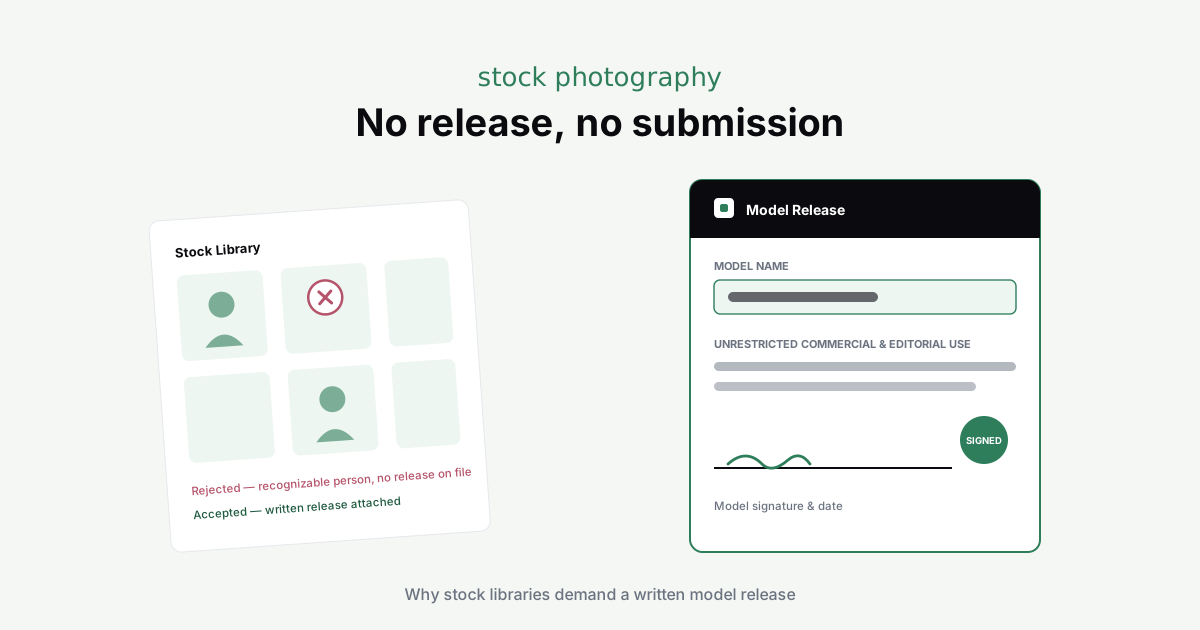
Stock libraries reject more submissions over missing paperwork than over image quality. If a recognizable person appears in a photo you want to license commercially, a signed model release is not optional — it is the file the library will not approve the image without. This guide explains what the major agencies require and how to generate a release that clears their review.
Why stock libraries require a release
A stock library licenses your image to buyers who will use it commercially — in ads, on packaging, across a brand's marketing. The library has no way to ask the people in your photos for permission itself, so it pushes that obligation to the contributor. The model release is the library's proof that consent exists.
Without it, a stock agency is selling the right to use a stranger's face for advertising with nothing on record that the stranger agreed. That is a liability no serious library will carry. So the rule across the industry is blunt: an identifiable person means a signed release, or the image goes into editorial-only or gets rejected outright.
Every identifiable person, not just the model
The trap most contributors fall into is thinking the release covers only the obvious subject. It does not. Stock libraries treat every identifiable person in the frame as someone who needs a release — the main model, yes, but also the friend in the background, the passerby, the second person at the table.
"Identifiable" is broader than a clear face. A recognizable profile, a distinctive tattoo, a person known to those around them — libraries err toward caution. If a buyer's lawyer could argue someone is recognizable, the agency wants that person released. A commercial product shoot raises the same issue: see the product photography model release for the hand model and lifestyle figures a brief tends to forget.
What Getty, Shutterstock, and Adobe Stock ask for
The big three differ in their forms but converge on the same requirements. A release a library will accept has to identify the people and the shoot, and grant use broad enough for commercial licensing.
- Getty Images requires a model release for any recognizable individual in imagery sold for commercial use, and provides its own template contributors are encouraged to use.
- Shutterstock will not accept a commercial submission with an identifiable person unless a signed release is attached at upload; without one the image is restricted to editorial use.
- Adobe Stock requires a release for every identifiable person and property, and reviews the release as part of approving the file.
The common thread: the release must be specific, signed, dated, and broad enough that a downstream buyer can use the image in advertising. A vague or narrowly scoped release fails the same review a missing one does.
What the release itself must contain
A stock-grade release is not a one-line permission slip. To pass agency review and protect a commercial buyer, it needs to record several things clearly.
It must name the model and the photographer, and identify the shoot — date and a short description. It must grant commercial usage broad enough for advertising and resale, because the library cannot predict how a buyer will use the image. It needs the model's signature and date, and where the model is under 18, a parent or guardian's signature instead. Many libraries also want a witness line. A release missing the broad commercial grant is the most common quiet rejection — the image looks fine, but the paperwork only cleared editorial use.
How SignedShoot generates a stock-ready release
You do not need to download an agency's PDF and decipher it. The model release form generator builds a release with the fields stock libraries look for.
The generated release names the model and photographer, describes the shoot, records a usage scope, a term, and signature and date lines. Fill the short form, set the usage scope to include advertising and stock, and preview the watermarked release for free. Unlocking gives you an editable Microsoft Word .docx — useful when a particular agency wants a specific clause added — plus a clean PDF the model signs. If your subject is under 18, the minor model release generator adds the guardian-consent block libraries require for a child. For an advertising shoot built around a brand, the advertising talent release records the term and exclusivity a campaign needs. Commercial and product photographers can find the full set of release types on the commercial photographer hub.
The release is generated in your browser — the model's name and details are never uploaded. SignedShoot generates document templates, not legal advice; it reflects standard industry practice, and a specific agency's current contributor terms are always worth checking against your own situation.
The takeaway
If you shoot for stock and a person is identifiable in the frame, plan for the release before the shutter, not after. Getty, Shutterstock, and Adobe Stock all require one, all treat every identifiable person as needing one, and all want a grant broad enough for commercial use.
Generate the release ahead of the shoot, have it signed on set, and your submission clears the paperwork review the same day the image is ready.
Frequently asked questions
- Do I need a model release to sell a photo on Shutterstock or Getty?
Yes, if a recognizable person appears in it. Getty, Shutterstock, and Adobe Stock all require a signed model release for any identifiable individual in an image sold for commercial use. Without one the image is limited to editorial use or rejected.
- Does every person in the photo need a release, or just the main model?
Every identifiable person. Stock libraries treat the background figure, the passerby, and the second subject the same as the main model — if someone could be recognized, the library wants them released.
- What must a stock photography model release contain?
The model's and photographer's names, a description of the shoot, a commercial usage grant broad enough for advertising and resale, a term, and the model's signature and date. A minor needs a parent or guardian's signature.
- What if the person in my stock photo is a child?
A minor cannot sign their own release. A parent or legal guardian signs on the child's behalf, and the release must capture that adult's name and authority — use a minor model release for those shoots.
- Is a generated release good enough for stock agencies?
A release that names the parties, describes the shoot, and grants broad commercial use is what agencies review for. SignedShoot generates that document; it provides templates, not legal advice, so check a specific agency's current contributor terms against your situation.