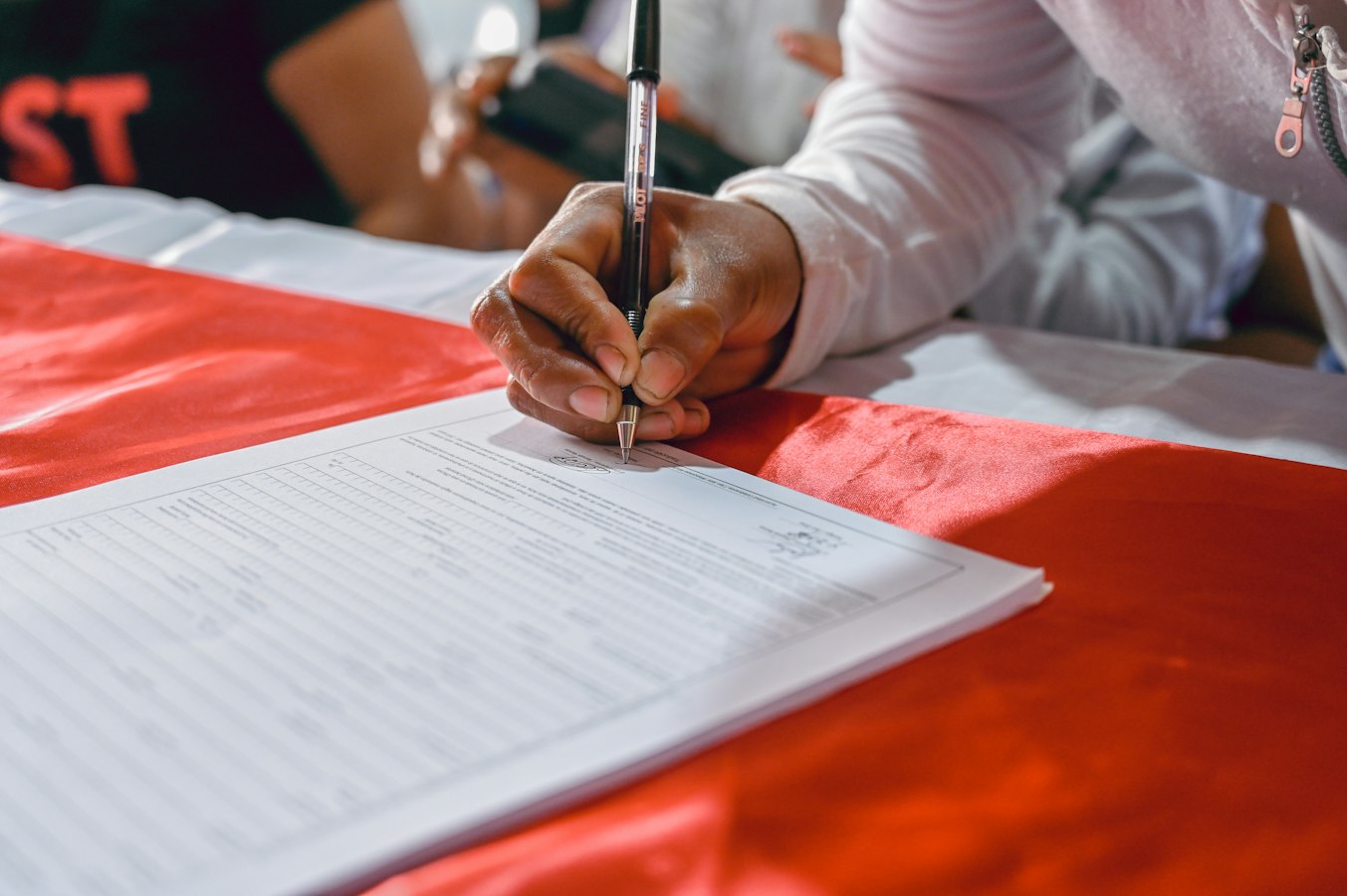
Model Release Form for Actors: SAG-AFTRA Sets and the Two-Layer Consent Problem
If you shoot stills on a union production, you are working inside two overlapping systems at once. The SAG-AFTRA contract governs what an actor performs on camera. A separate model release form for actors governs what you, the unit still photographer, can do with the images you capture. Those two systems do not cancel each other out, and they do not cover the same ground. Mixing them up is one of the fastest ways to have your stills pulled before the film even releases.
This guide maps where union contracts end and still-image releases begin, flags the five clauses that a generic one-pager misses on a union shoot, and walks through how to collect signatures on a set where time is always short.
Nothing in this article is legal advice. SignedShoot templates are based on standard industry practice from organizations like ASMP and PPA. Consult an entertainment attorney for guidance specific to your production.
What a SAG-AFTRA Contract Covers (And What It Doesn't)
A SAG-AFTRA agreement is a labor contract. It defines minimum pay, working conditions, residuals, and how a performer's recorded performance can be used in the finished film or TV project. It does not address still photography in any comprehensive way.
The union does have provisions about on-set photography, specifically rules around set visit press coverage and social media posting by cast members. Some agreements restrict photographers from publishing set photos before a studio-approved release window. But those provisions are about embargo timing and set security, not about the actor's personal right of publicity in a still image.
Right-of-publicity law is a separate body of state law entirely. It governs commercial use of a person's name, likeness, or image. In most states, a signed release is what gives a photographer or a brand the right to use a recognizable actor's face in advertising, editorial, or promotional materials. The SAG-AFTRA contract does not function as that release.
In short: the union contract gets the actor on set. The model release form gets the photographer permission to distribute still images of that actor after the shoot wraps.
Why Actors and Background Extras Need Separate Still-Image Releases
Actors and background extras are in different legal and contractual situations, but they share one thing in common: neither group automatically grants still-image usage rights just by showing up on set.
A principal actor may have a rider in their personal deal that restricts how their likeness can appear in promotional materials. That rider supersedes a generic release, which means you may need to work with the actor's representation before any release gets signed. Some actors will not sign a broad commercial release at all. Knowing this before you start shooting gives you and the production coordinator time to sort it out.
Background extras are a different challenge. Many are hired through casting agencies and show up in volume. Their SAG-AFTRA or non-union deal covers their day rate and working conditions, nothing else. If a background extra appears recognizably in a still that later runs in a print ad or a campaign for a brand partner, you need a signed release covering that use. The casting paperwork does not provide that.
This is the same documentation gap that comes up in other group settings. If you have worked group photography shoots before, you already know that headcount does not equal signed consent.
5 Clauses a Standard Release Misses on Union Productions
A one-page generic release built for a portrait session will leave gaps on a union production. Here are five clauses that should be addressed specifically.
1. Production company and licensee identification. Still images from a film set are often licensed to distributors, studios, press outlets, and brand partners. The release needs to name not just the photographer but also the production entity and its authorized licensees. A release that only names the unit photographer gives no rights to the studio using the stills for a campaign.
2. Embargo and timing restrictions. If the production has a press blackout before a release date, the release should acknowledge that restriction. It does not need to waive the subject's rights, but it should be consistent with the set photography agreement so you are not handing someone a release that appears to conflict with what they were told on set.
3. Scope of use: editorial vs. commercial. A still from a film set can end up in very different places. Press kits and film review coverage are generally editorial. Brand partnership ads and merchandise are commercial. Those two uses require different release language. The distinction between commercial and editorial use is one of the most commonly skipped details on fast-moving sets.
4. Digital alteration and AI composite language. Post-production teams sometimes use unit stills as reference for composited promotional art or retouched key art. If the release does not address alteration, actors or their representatives may dispute how the image was modified. A clause covering digital alteration, color manipulation, and compositing protects the production.
5. Perpetual term with reversion carve-out. Film promotions run long, sometimes years after theatrical release. A release with a defined expiration can create problems when the film hits a streaming window or a 10th anniversary re-release. The perpetual terms question in model release forms matters here just as much as it does in commercial photography.
Background Extras: The Crowd Release vs. Individual Release Question
When you have 200 extras in a crowd scene and you are shooting stills for a press kit, getting 200 individual signatures sounds impossible. In practice, production coordinators handle this in one of two ways.
The first is a crowd release, a single document that covers multiple subjects photographed in a group setting. Extras sign on arrival as part of their check-in paperwork. The release covers use of their likeness as part of the crowd, not as an individual identified subject. If an extra ends up front and center in a hero shot, that may require an individual release on top of the crowd document.
The second approach is an individual release for anyone who ends up in close-up stills that could identify them as a specific person. Crowd releases generally protect less when someone is clearly the focal point of an image.
SignedShoot lets you generate both crowd and individual release formats. You fill in the production details once, download a watermarked PDF to review before the shoot day, and collect signatures on set without chasing down paper forms after the fact.
State Right-of-Publicity Laws That Add Another Layer
Where an actor lives or where a production is based can change what a release needs to include.
California's Civil Code Section 3344 is the most well-known statute because most union productions touch Los Angeles at some point. It requires a specific written consent for commercial use of a living person's likeness. New York's Civil Rights Law Sections 50 and 51 cover similar ground on the East Coast. For a detailed breakdown of New York's requirements, see the New York Model Release Form checklist.
If the production is shooting on location in Georgia, Florida, Texas, Illinois, or Washington, each of those states has its own right-of-publicity framework with different definitions of what "commercial use" means and how long rights persist after death. The film set photography release form guide covers several of these production-specific considerations in more detail.
The practical takeaway: a release drafted for a California shoot may be missing language that matters in another state. If stills will be used nationally, the release should be broad enough to cover the strictest state statutes in play.
How to Get Releases Signed on a Fast-Moving Film Set
Unit still photographers work in a chaotic environment. You have seconds between setups, talent walking to and from the set, and a production team that has its own priority list. Paper forms get lost, forgotten, or signed with the wrong date.
The realistic workflow is to prepare releases before the call sheet goes out. Know who is on set that day. Pre-fill the production name, shoot date, and intended use. Have releases ready for principal actors, featured extras, and background extras as separate documents so nothing gets cross-signed.
During check-in is the easiest time to catch background extras. For principal actors, coordinate with the AD or the talent's personal assistant rather than approaching the actor cold between takes. Some actors will route everything through their management, so knowing that ahead of time prevents delays.
After the shoot, if anyone missed signing, follow up the same day. Waiting until post-production to chase down a release is exactly the problem that signed-on-set documentation is designed to prevent. For more on the post-shoot paper chase and how to avoid it, see how SignedShoot approaches building releases before you arrive on set.
The two-layer consent problem on union productions is real, but it is manageable if you treat the model release as its own document separate from anything the union contract already covers. Know what each document does, prepare both before shooting, and collect signatures while the subject is still standing in front of you.