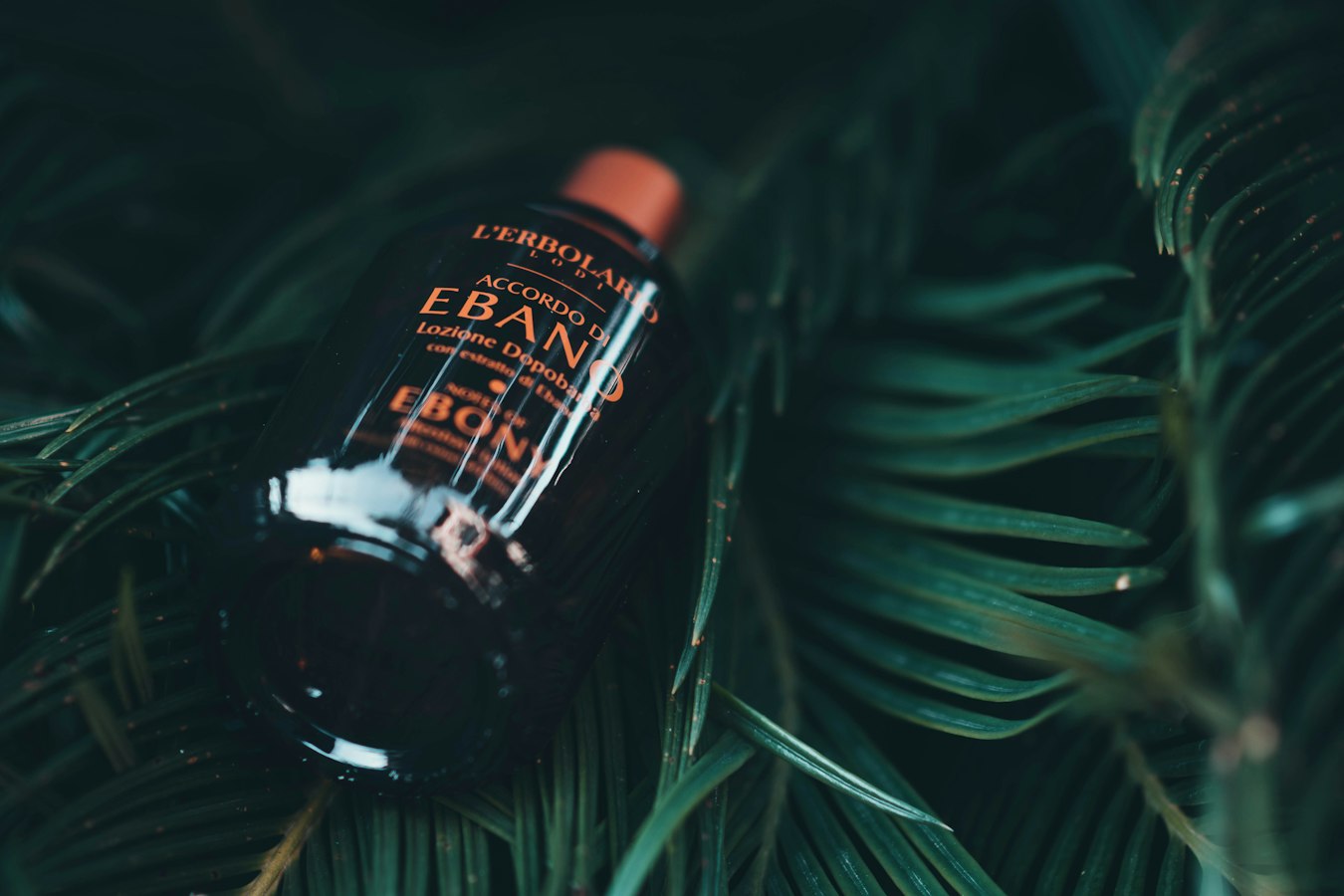
Product and food photographers work hard to make objects look irresistible. A bottle of olive oil catching late-afternoon light. A skincare jar surrounded by botanicals. A sneaker on a clean white surface. Most of the time, no person is in the frame, and no release is needed. But the moment a hand reaches in to hold that bottle, or a model's face appears behind the product, the rules change. A photography release form for a product shoot becomes a non-negotiable part of the job.
Here is exactly when you need one, what kind applies, and how to handle it before you pack up your gear.
Why Product Shoots Still Need a Release Form (Sometimes)
Pure object photography, meaning a product shot with zero human presence, generally does not require a model release. There is no person depicted, so there is no right-of-publicity concern.
The confusion starts because product shoot workflows rarely stay that clean. A client wants lifestyle context. An art director asks for a "hand hero" shot. A brand needs a face to anchor the campaign. Any of those decisions pulls a person into the frame, and with them comes the need for documented consent.
It is worth understanding the difference between a photo release form and a model release form before you get to set, because mixing up the two is one of the most common mistakes product photographers make. They are not the same document, and using the wrong one leaves gaps.
The Trigger: When a Person Enters the Frame
The legal trigger for a model release is commercial use of a recognizable person's image without their documented consent. "Recognizable" does not mean only a full face. Depending on the state, it can include:
- A distinctive tattoo on a forearm
- A recognizable hand with identifying jewelry
- A partial face or silhouette tied to a known individual
- Any body part the subject could credibly claim as identifying
States with explicit right-of-publicity statutes make this especially concrete. California, New York (Civil Rights Law §§ 50 and 51), Texas (Tex. Prop. Code § 26.012), and Illinois (765 ILCS 1075) all define "likeness" broadly enough to cover partial identification. If your product shoot involves talent in any of those states, treat any human presence in the frame as a release trigger.
The rule of thumb: if a person's body part appears in an image destined for advertising, packaging, social media promotion, or any other commercial purpose, get the release signed.
Model Release vs. Property Release on a Product Shoot
Product shoots sometimes involve both types of releases, and it helps to know which document does which job.
A model release covers the person. It documents that the individual in the frame consents to their image being used for the specified commercial purpose. This is the document you need the moment a human element enters your shot.
A property release covers recognizable private property, such as a privately owned building exterior, a distinctive interior space, or a branded environment. If your product shoot takes place in a rented loft, a restaurant, or a private home, you may need one of those too. The relationship between property releases and model releases is worth reviewing if your shoot involves both.
Do not assume one covers the other. They are separate documents for separate consent issues.
What the Release Needs to Cover for Commercial Use
A model release for a commercial product shoot needs to be more specific than a generic one-liner. Standard industry practice, as outlined by organizations like ASMP and PPA, points to these core elements:
- Scope of use. The release should name the type of commercial use: advertising, packaging, point-of-sale displays, digital ads, social media promotion, and so on. A vague "promotional purposes" clause may not cover all the client's intended uses.
- Duration. Many brands want perpetual rights. The release needs to reflect that. If this is new territory, model release form expiration and perpetual terms is a useful reference.
- Compensation acknowledgment. Even if the model is being paid separately under a contract, the release itself should note that consideration was given.
- Identification of the client or end user. If you are shooting for a brand, the brand may need to be named as an authorized user of the images.
- Governing state. Because right-of-publicity law varies by state, the release should specify which state's law governs it.
A release that skips any of these points creates questions a client's legal team will eventually ask. Build the document right the first time. For a deeper look at what separates a solid commercial release from a gap-filled template, this breakdown of free model release form PDFs and their common shortcomings is worth your time.
The Fastest Way to Get It Signed on Set
The single biggest mistake photographers make with releases is treating them as post-shoot paperwork. By the time the shoot wraps, talent has left, adrenaline has faded, and following up feels awkward. Chase a signature later and you risk a "no," a negotiation, or silence.
The fix is building the release into the pre-shoot flow, not the post-shoot wrap. Have the document ready when talent arrives. Walk them through what it covers in plain language. Sign it before the first frame fires.
SignedShoot is built specifically for this moment. You fill out the release details in your browser, the document is generated as a PDF or .docx file, and you hand it to the talent on set. Their details are never uploaded to a server. The whole process takes about sixty seconds once you know what fields you need. For a product shoot, you can use the model release form tool to build a release that matches the commercial scope your client requires.
Note: SignedShoot provides templates based on standard industry practice. These are not attorney-drafted documents and are not a substitute for legal advice specific to your situation.
Quick Checklist Before You Wrap a Product Shoot
Run through this before you call wrap:
- [ ] Does any image include a recognizable person or body part intended for commercial use? If yes, a model release is required.
- [ ] Is the shoot taking place on private property with distinctive, recognizable features? If yes, check whether a property release is needed.
- [ ] Does the release name the correct commercial uses, including packaging, ads, and social media?
- [ ] Is the duration clause perpetual, or does it match what the client actually needs?
- [ ] Is the governing state specified?
- [ ] Did you collect the signed document before talent left the set?
Product photography is primarily about the object, but the moment a person walks into frame for a commercial purpose, that person's consent becomes part of what you are delivering to the client. Getting that documented on set, not chased down afterward, is what separates a clean deliverable from a liability question nobody wants to answer later.