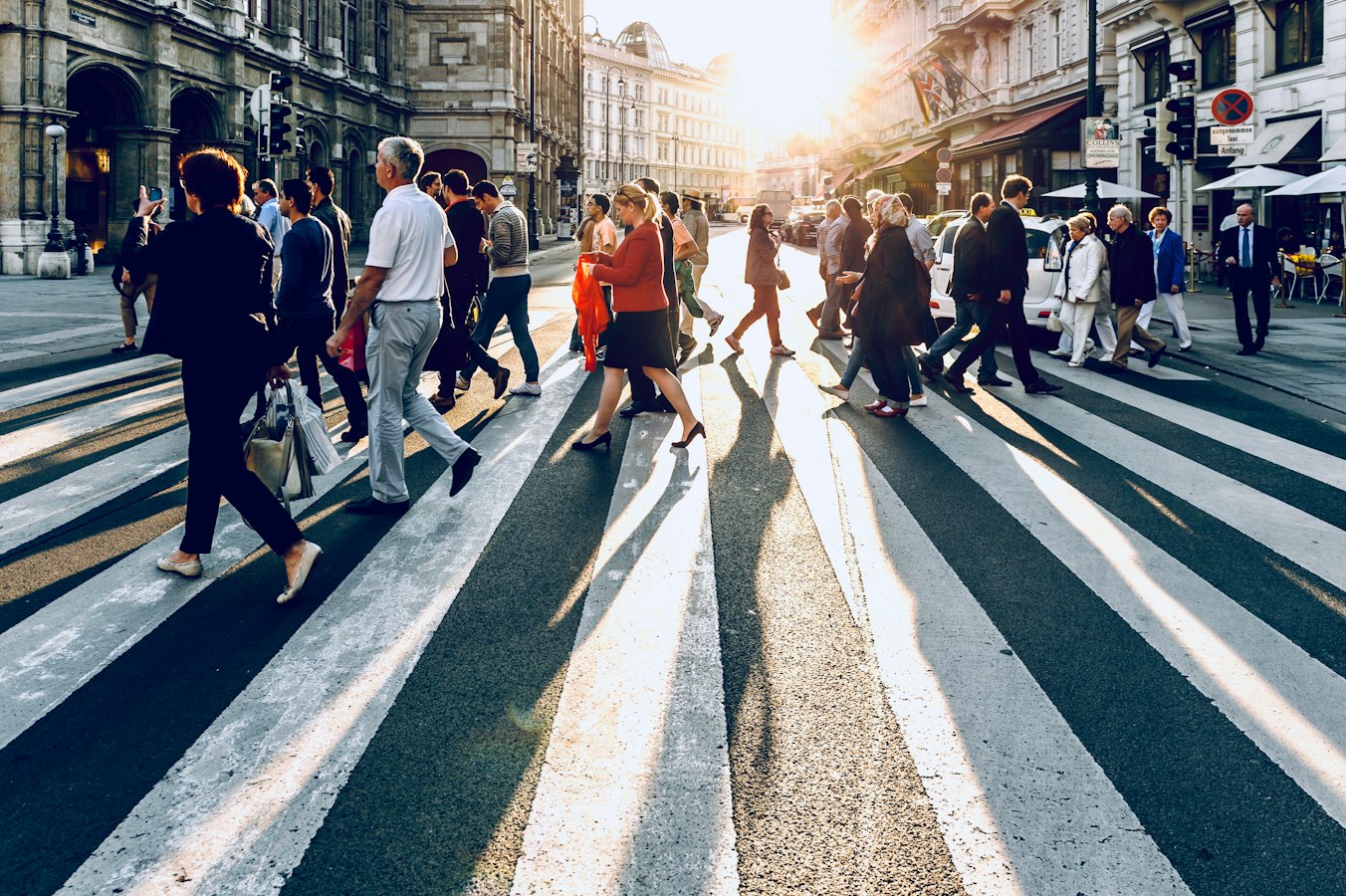
Street Photography Model Release: Which States Require One Even on a Public Sidewalk
Most photographers working commercial jobs on public streets assume location settles the consent question. It does not. This article maps where the risk is concentrated, which statutes create it, and how to get a signed release without ruining the moment. Nothing here is legal advice -- talk to a licensed attorney in your jurisdiction for guidance on any specific situation.
The "Public Space" Myth
Being in public means a reduced expectation of privacy. That part is generally true. But right-of-publicity law is a separate body of law, and it does not care where the photo was taken. It cares about how the image is used.
Right-of-publicity statutes protect a person's name, likeness, and identity from commercial use without consent. A photo shot on a Times Square sidewalk in full daylight can still produce a claim if it ends up in a paid advertisement without a signed release. Location is relevant to privacy claims. It is rarely relevant to right-of-publicity claims.
When Commercial Use Changes Everything
The practical line runs between editorial and commercial use. Editorial work -- news, documentary, fine art -- gets broad First Amendment protection in most states. Commercial use, meaning advertising, product promotion, and branded social content, does not. Once a recognizable person's likeness is tied to selling a product or service, most state right-of-publicity statutes apply, regardless of where you pressed the shutter.
State-by-State Breakdown
Not every state has a right-of-publicity statute. But the ones that do are the busiest photography markets in the country.
New York -- Civil Rights Law §§ 50 and 51. Using a person's portrait for advertising or trade purposes without written consent is a misdemeanor and creates civil liability. See the full New York model release form checklist.
California -- Civil Code § 3344 requires written consent for commercial use of a person's likeness. The California model release form guide breaks down the specific language the statute requires.
Texas -- The Texas Publicity Rights Act (Tex. Prop. Code § 26.001 et seq.) covers photographs used in commercial advertising without consent. The Texas model release form checklist covers compliant consent language.
Florida -- Fla. Stat. § 540.08 prohibits using a person's photograph for commercial or advertising purposes without express written consent. Details are in the Florida model release form guide.
Illinois -- The Right of Publicity Act (765 ILCS 1075) explicitly includes photographs used for commercial purposes. See the Illinois model release form checklist.
Washington -- The Personality Rights Act (RCW 63.60) applies to commercial use of an individual's persona, including photographs. The Washington model release form guide covers compliant releases.
Georgia -- No dedicated statute, but common law misappropriation claims protect a person's likeness from unauthorized commercial use. The Georgia model release form checklist walks through what compliant releases cover there.
States without specific statutes may still have common law claims, so this list does not mean other states are zero-risk.
How to Get a Street Photography Model Release Without Killing the Moment
For commercial street shoots -- where you are casting looks for a brand campaign on location -- the workflow is straightforward:
- Brief subjects before you shoot. Explain the campaign, the usage, and ask for a signature first. Most people who agree to be photographed for a brand will sign on the spot.
- Keep the form short. A one-page release that names the client, describes the usage, and states the compensation is enough to document consent in most states.
- Capture the signature on your phone. Faster than paper and produces a dated PDF you can save before you leave the block.
For street shooting that might later move into commercial use, approach subjects after the shot and ask for a signature before you leave the location. It is far easier to get consent on scene than to track someone down weeks later.
What a Street Release Needs to Cover
A street photography model release does not need to be long, but it does need to include: the subject's name, the date and location, a description of the intended use, any compensation, and a clear grant of rights. Templates based on ASMP and PPA standard industry practice cover these elements.
SignedShoot generates a complete release you can fill out and get signed on your phone before you leave the sidewalk. Your subject's details are processed in your browser and never sent to a server -- no personal data gets stored outside your own device. The finished document downloads as a PDF or .docx file immediately.
If you want to see what a finished release looks like before committing, the model release form tool produces a complete watermarked PDF at no cost so you can review the language first.
Street photography and commercial use can coexist. They just require documentation. Get the release on location, file it before you wrap, and the question of whether you had permission never becomes a problem.