California Model Release Form: What Fitness and Lifestyle Shoots With Influencers Really Need
You booked a fitness influencer for a supplement brand's campaign. She has 400,000 followers on Instagram, a TikTok deal, and her own workout app. The brand wants to run the photos as paid ads. The influencer wants to post the same shots to her own feed. Everyone is happy on set. Then, six months later, a lawyer's letter shows up.
This is where California gets tricky. The state has two right-of-publicity statutes, and both can touch a single shoot. If you photograph people for commercial work in California, a generic release template is not enough. Here is how the law actually reads, why influencer subjects raise the stakes, and what a proper california model release form has to cover before the shoot wraps.
What § 3344 and § 3344.1 Actually Say (and Why Fitness Brands Should Care)
California Civil Code § 3344 protects living people. It says you cannot use someone's name, voice, signature, photograph, or likeness for advertising or selling products without their consent. Break that, and the statute allows the person to recover actual damages, any profits tied to the unauthorized use, and a minimum of $750 per violation plus attorney's fees.
That $750 floor matters. Even if a brand made no measurable profit from one image, the person can still claim the statutory minimum. Stack that across a multi-image campaign and the numbers grow fast.
Civil Code § 3344.1 covers deceased personalities. It protects the likeness of people who had commercial value at death for 70 years after they die, and the rights pass to heirs or estates. Most fitness and lifestyle shoots involve living subjects, so § 3344 does the heavy lifting. But § 3344.1 is worth knowing about if a campaign uses archival images or a subject who has since passed. The two statutes work as a layered system: one for the living, one for the deceased, and both aimed at unauthorized commercial use.
For a fitness brand, the takeaway is simple. Almost every deliverable from a campaign shoot counts as commercial use under § 3344. That means consent is not optional, and the consent has to be documented. A verbal "sure, use whatever" does not satisfy the statute if a dispute lands in front of a judge.
None of this is legal advice. It is a plain reading of how these statutes are written and how working photographers plan around them. For a specific dispute, talk to a lawyer.
When Your Subject Is Also an Influencer: Why Standard Releases Fall Short
A standard model release assumes one thing: the photographer gets rights, the model gets paid, done. That model breaks the moment your subject is also a paid influencer with their own commercial value.
Here is the problem. An influencer's likeness is not just a pretty face for the brand's ad. It is the influencer's own asset. She earns money from her image every day. So when she signs a release, two separate interests are on the table:
- The brand's interest: it paid for ad spend and wants clean rights to run the photos as advertising.
- The influencer's interest: she wants to protect her own right of publicity so the images are not used in ways that undercut her other deals.
A generic template does not sort this out. It might grant the brand broad rights while ignoring the influencer's own § 3344 claim if the usage drifts outside what she agreed to. Say the brand licenses the images to a third party the influencer never approved. Now she has a right-of-publicity claim of her own, even though she signed something.
The fix is a release that names the scope with real detail. Who can use the images? For how long? On which channels? Can rights be sublicensed or sold? An influencer shoot needs answers to all of that in writing. This is the same scope discipline we cover in our breakdown of when a model release generator beats a free template, and it applies double when the subject has commercial value of their own.
The Commercial vs. Editorial Line in Fitness and Lifestyle Content
The § 3344 obligation hinges on whether the use is commercial. Advertising and selling products is clearly commercial. News, commentary, and creative expression usually fall on the editorial side, where the statute gives more room.
Fitness and lifestyle content blurs that line constantly. A gym feature in a magazine might read as editorial. The same photo, cropped into a supplement ad, is commercial. A "day in the life" post can look editorial until a brand pays to boost it, at which point it starts behaving like an ad.
This is why you cannot decide the release scope based on how the photo looks. You decide it based on how the photo will be used, and you plan for every use the client might want. We go deeper on this split in our guide to commercial versus editorial model releases, and the short version is this: when in doubt on a fitness or lifestyle shoot, treat it as commercial and get the full-scope consent.
With influencers, the line blurs even more because the same image lives in two worlds at once. The brand runs it as a paid ad (commercial). The influencer posts it as organic content (arguably editorial for her, but still tied to her paid partnership). Your release needs to account for both lanes so no one is surprised later.
What a California Model Release Form Must Include for Influencer Shoots
A release built for a California influencer shoot should cover more ground than a basic template. Here is what to build in.
Clear identification of the parties. Name the photographer or studio, the subject, and the brand or client who will use the images. If the brand is the one running ads, the release should grant rights that reach them, not just the photographer.
Specific usage scope. State exactly how the images can be used: paid advertising, social media, print, web, packaging, whatever applies. Vague grants invite disputes.
Territory and term. Where can the images run, and for how long? "Worldwide, in perpetuity" is common in commercial work, but the influencer may push back and negotiate a shorter term. Whatever you agree to, write it down.
Sublicensing and transfer. Can the brand license the images to a third party? Can rights be sold? If the influencer wants to block that, the release has to say so.
A carve-out for the influencer's own use. Many influencer deals let the subject post the same images to their own channels. Spell out what she can and cannot do with them so her use does not conflict with the brand's exclusivity.
Consideration. Note what the subject received in exchange for signing, whether that is a fee, product, or the shoot itself. A release with no consideration is weaker.
A plain-language consent clause. The document itself can carry standard release language, but keep the marketing and instructions readable. The heavy wording belongs inside the form, not on the cover.
SignedShoot builds releases like this in your browser, and the subject's details are never uploaded to a server. You fill in the parties, scope, term, and consideration, and it produces a PDF or .docx you can get signed on the spot. These are templates based on standard industry practice from groups like the ASMP and PPA, not attorney-drafted documents and not a promise that any release will hold up in a given court.
If minors ever appear in a fitness shoot, say a teen athlete in a family lifestyle campaign, you need a parent or guardian to sign. That is a separate document with its own rules, covered in our minor model release form tool and the guide on youth sports release gaps.
Social Media Deliverables: Platforms, Paid Partnerships, and Usage Scope
Instagram and TikTok deliverables are where influencer releases get slippery. A single campaign might produce feed posts, Stories, Reels, TikToks, and static ads, each with its own usage pattern.
Name the platforms in the release. Do not just write "social media." List Instagram, TikTok, and any others in play, and note whether use covers organic posts, paid promotion, or both. Paid partnerships add a layer because the brand pays to amplify content that also carries the influencer's endorsement. That amplification is commercial use, full stop, so the release scope has to reach it.
Think about who posts what. If the influencer posts a Reel from her own account and the brand boosts it as an ad, both parties are using the same likeness commercially. Your release should confirm the brand has the right to run that paid promotion and confirm the influencer's own posting rights so nothing collides.
Also plan for cross-posting. A TikTok that gets repurposed into an Instagram ad is a new use. If your scope only mentioned TikTok, you may have a gap. Broad, clearly listed platform language closes that gap up front. We unpack the fine points of platform-specific consent in our piece on the social media photo release explained, which pairs well with this one for influencer work.
One more thing on scope: exclusivity. Some brands pay for the influencer not to promote competitors during the campaign. That is a contract term, not strictly a release term, but the release and the deal memo should agree on how long the images can run so an old ad does not resurface during a competitor deal.
Getting It Signed on Set Before the Shoot Wraps
The best release in the world does nothing if it is unsigned. And chasing an influencer for a signature after the shoot is a losing game. They are busy, their manager screens emails, and by the time you follow up the images are already scheduled to post.
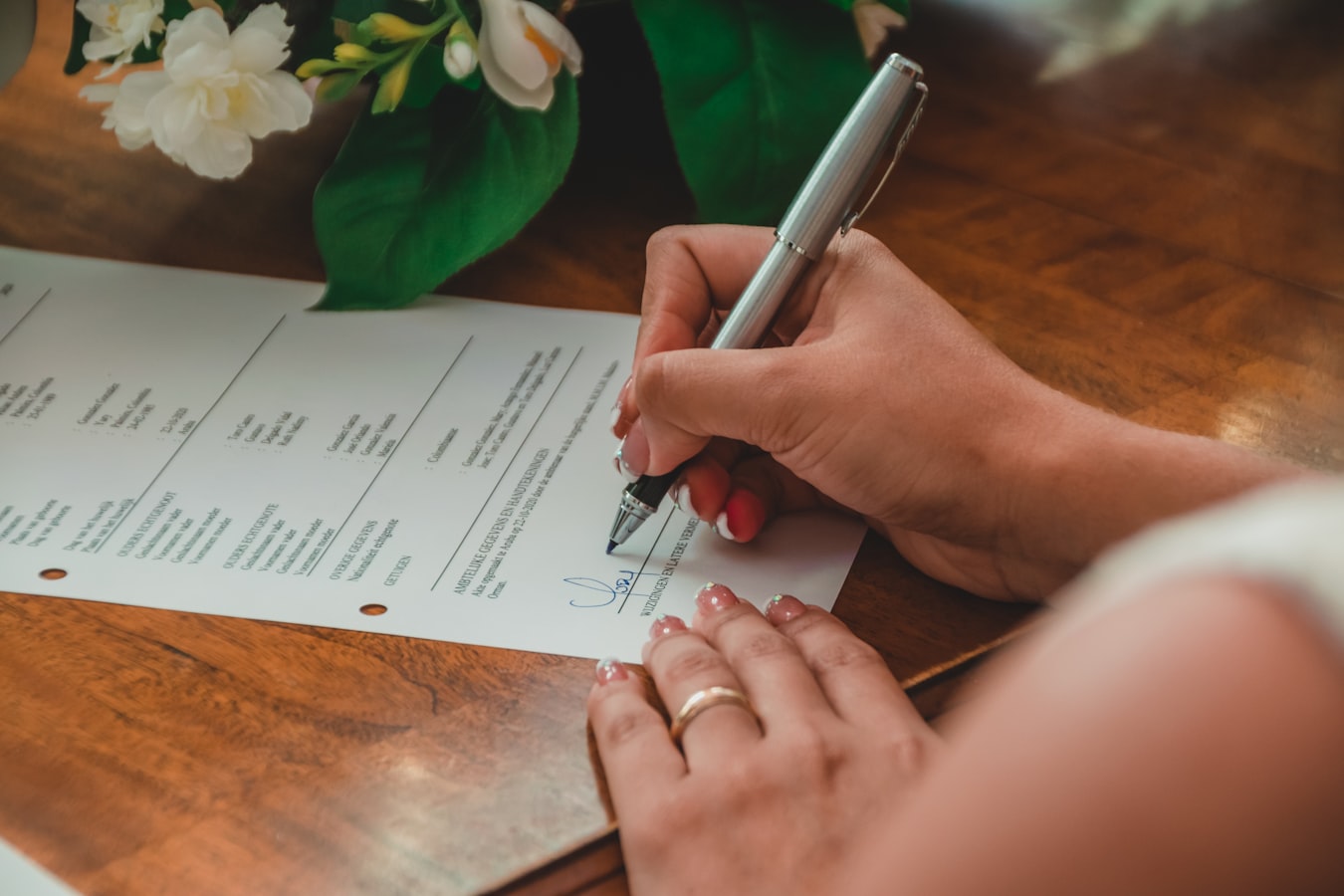
Get the release signed on set, before the shoot wraps. That is the whole point. While the influencer is still in the room, hand over the release, walk through the scope, and get the signature. Everyone understands the terms while the details are fresh, and the brand's ad spend rests on a documented consent rather than a promise.
This is exactly what SignedShoot is built for. You prepare the release ahead of the shoot, adjust the scope for the specific campaign, and produce a clean PDF or .docx to sign right there. Because subject details are built in the browser and never uploaded, you are not creating a data trail of your talent's personal information. The free preview is a complete, usable watermarked PDF, not a screenshot, so you can see exactly what the finished document looks like before you commit.
To recap the California picture: § 3344 protects living subjects from unauthorized commercial use of their likeness, § 3344.1 extends similar protection to deceased personalities, and influencer status raises the stakes because your subject owns commercial value in their own image. A release built for these shoots names the parties, the platforms, the term, the territory, and both the brand's rights and the influencer's own use. Handle that before the shoot wraps and you spend the next six months editing, not answering lawyer letters.
For more on how a purpose-built release compares to the paper templates floating around, see why photographers move off free PDFs. And remember: this article explains how the statutes read, but it is not legal advice for your specific shoot.