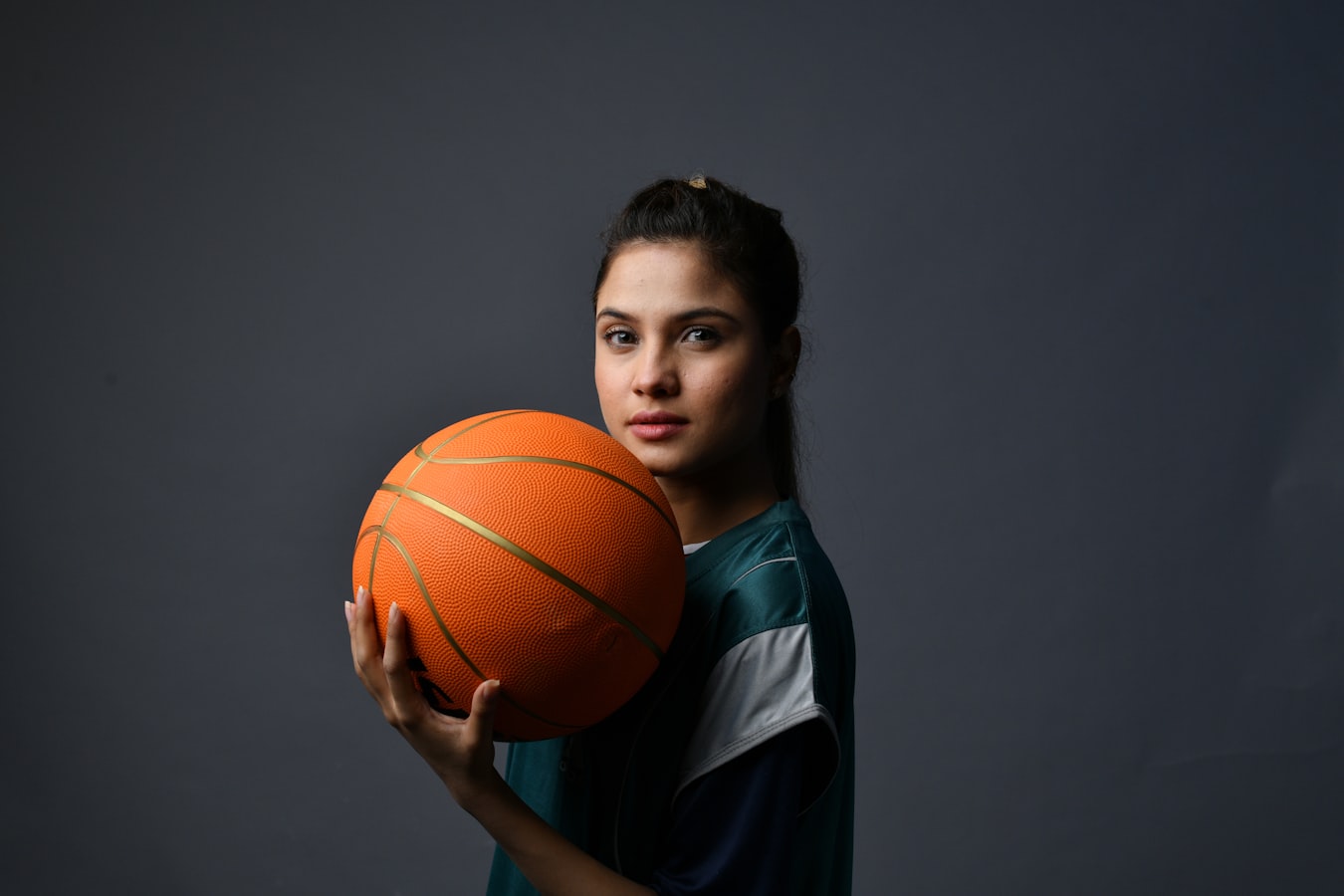
Model Release Form for Athletes: 3 Clauses You Can't Skip
Shoot a pickup basketball game for a local paper and a plain model release covers you fine. Shoot a college quarterback for a sneaker brand and that same form leaves money and rights on the table. Athletes are not like other subjects. Their name, image, and likeness, what the industry now calls NIL, carries real commercial value. A standard model release form was never built to sort out who owns that value, who profits from it, and what happens when a competing brand comes calling.
This guide walks through the three clauses that belong in any model release form for athletes: NIL scope, endorsement boundaries, and right-of-publicity compliance. We add state callouts for California, Texas, New York, Illinois, Florida, and Georgia, plus practical steps for getting the paper signed before everyone leaves the field.
Why a Standard Model Release Falls Short for Athletes
A general model release grants you permission to use someone's likeness for the purposes you name. For most subjects that is the whole story. The person shows up, signs, and the images are yours to use inside the scope you wrote down.
Athletes add layers a basic form does not touch. First, many athletes already have deals. A college player may be signed to a collective. A pro may have an exclusive apparel contract that bars them from appearing in a rival's ad. If your release does not ask about existing commitments, you can produce images that the athlete has no right to grant. That is not a paperwork problem, it is a use problem that surfaces after publication.
Second, athletes are frequently shot for both editorial and commercial ends in the same session. The line between the two matters more here than almost anywhere else, because an editorial photo of an athlete is often legal without a release while a commercial one is not. If you are fuzzy on that split, our breakdown of commercial versus editorial use in a model release is worth a read before you draft anything.
Third, NIL value does not expire the way a hobbyist's does. A star athlete's likeness can be worth more in five years than it is today. Your term and territory clauses need to say plainly whether the grant is perpetual, and our piece on perpetual terms and expiration covers how to phrase that without overreaching.
The fix is not a fancier form. It is three specific clauses added on top of a solid base release.
NIL Clause: Defining What You Can and Cannot Do With an Athlete's Likeness
NIL stands for name, image, and likeness. In an athlete release, treat those three as separate things you are asking permission to use, because a subject can grant one and withhold another.
Name. Can you use the athlete's name in a caption, a headline, a product page? A model who is not a public figure rarely thinks about this. An athlete with a brand does. Spell out whether their name may appear alongside the images and in what context.
Image. This is the photograph itself. Standard territory here.
Likeness. This is broader than the photo. Likeness can include a silhouette, a signature pose, a jersey number, or a recognizable stride. For athletes with a known style, this matters. If you plan to composite, illustrate, or animate from your frames, say so.
A workable NIL clause does four things:
- Lists the media. Print, web, social, broadcast, packaging, in-store. Name them. Do not write "all media" and hope.
- Names the purpose. Advertising for a specific brand, editorial coverage, portfolio, stock. If the shoot is for one sponsor, do not quietly grant yourself the right to relicense the frames to a competitor.
- Sets territory and term. United States only or worldwide, one year or perpetual. Athletes negotiate these, so leave a real blank, not a fixed line.
- Reserves nothing you did not ask for. If the athlete keeps the right to use the same images on their own channels, write it in. Many will insist.
You can build a base release with the fields to support this using the SignedShoot model release generator, then add the NIL language your specific deal calls for. The document comes out as a clean PDF and .docx you fill in on set, and subject details stay in your browser rather than getting uploaded anywhere.
Endorsement and Sponsorship Boundaries: The Clause Photographers Routinely Skip
Here is the clause that gets left out most often, and the one that causes the loudest arguments later.
A model release grants use. It does not, on its own, address endorsement. Using someone's photo in an ad and claiming they endorse a product are two different things in the eyes of both the athlete and the law. An athlete may happily let you shoot them in gear and still refuse to imply they personally back the brand.
The endorsement boundary clause should answer three questions:
Does this use imply endorsement? If the images will run in a way that suggests the athlete recommends or personally uses the product, the athlete must agree to that explicitly. A photo in a catalog is different from a photo with a quote that reads "my favorite cleats."
Is there an exclusivity conflict? Ask directly whether the athlete has an existing endorsement that this shoot would violate. A sprinter under contract with one shoe company cannot appear in another's campaign. You want that disclosed in writing before the shutter clicks, not discovered by the sponsor's lawyer after launch.
What about future conflicts? If your grant is perpetual and the athlete signs a competing deal next season, your old images may still be running. Decide up front whether the athlete can request removal after a set period, and write the mechanism in.
Skipping this clause is how a photographer ends up in the middle of a fight between an athlete and two brands. You are not a lawyer and this article is not legal advice, but a clear endorsement boundary keeps you out of a dispute you have no reason to be part of. For the related question of how far social platforms stretch a grant, our social media photo release explainer lays out the usage-scope issues that overlap here.
Right-of-Publicity Laws by State: What Changes in Your Release
Right of publicity is the legal right to control commercial use of your own identity. It is governed state by state, and the differences are real. Where your athlete lives, and sometimes where the images run, can change what your release needs to say. None of this is legal advice, but knowing the landmarks helps you ask better questions.
California. California has one of the strongest right-of-publicity regimes in the country, covering both living people under Civil Code section 3344 and deceased personalities. Commercial use without consent is a live risk here, and damages can be significant. If you shoot athletes in California, your release should be explicit about commercial scope. Our California model release checklist walks through the statute's demands.
Texas. Texas protects the property right in a person's likeness, and its statute at Business and Commerce Code section 26.012 is worth knowing before a Texas shoot. See the Texas model release checklist for the specifics.
New York. New York works from Civil Rights Law sections 50 and 51, which require written consent for advertising and trade use. The written part matters, an oral yes is not enough. Our New York §§ 50 and 51 checklist covers what the writing must contain.
Illinois. Illinois has the Right of Publicity Act at 765 ILCS 1075, which sets its own consent rules. The Illinois checklist details them.
Florida. Florida's statute lives at section 540.08 and requires consent for commercial use of a person's likeness. See the Florida § 540.08 checklist.
Georgia. Georgia protects right of publicity through common law rather than one tidy statute, which changes how you document consent. Our Georgia right-of-publicity checklist explains the practical effect.
The takeaway is not that you need six different forms. It is that your release should name the governing state and carry consent language strong enough to satisfy the strictest place your images are likely to run. When in doubt, write to the higher bar.
Minor Athletes: Extra Signatures, Stricter Rules
Youth and college athletics push a lot of underage subjects in front of your lens. A minor cannot grant a binding release, so a parent or legal guardian must sign on their behalf. That is true in every state, and it is not optional.
For athletes under 18, your release needs:
- The minor's name and the guardian's name, clearly linked, with the guardian's relationship stated.
- Guardian signature and date, not the minor's.
- The same NIL and endorsement clauses, because a talented young athlete's likeness can carry real value, and NIL rules now reach many high school and college players.
NIL for younger athletes is an evolving area. Some states allow high schoolers to profit from their name and image, others restrict it, and college rules vary by conference and school. You are not the one who resolves those questions, but your release should not assume the athlete is free to grant what a school or collective actually controls. Ask, and document the answer.
There is also the matter of withdrawn consent. A guardian can change their mind, and how your release handles that request shapes what you do with images already published. We covered the mechanics in what happens when parental consent is revoked. For team shoots and youth-sports gaps specifically, the minor model release youth sports guide is the closest match to what you will face on a Saturday game day. You can start a guardian-ready version with the minor model release generator and add the NIL language on top.
Getting the Release Signed on Set Before You Pack Up
The best clause in the world is worthless if the athlete leaves before signing. Athletes are busy, often managed, and frequently gone the moment the last frame fires. Your window is short. Close it on set.
Here is a flow that works in about sixty seconds per person:
- Prep the form before you shoot. Fill in the shoot details, the brand, the media, the term, and the state ahead of time. The athlete should only need to add their name, sign, and date.
- Explain the two things that matter to them. Athletes care about endorsement implications and exclusivity conflicts. Say plainly what the images will be used for and ask about existing deals. Thirty seconds of honesty here saves a fight later.
- Handle the guardian for minors on the spot. For youth shoots, have guardians sign at check-in, before the athlete steps in front of the camera, not after.
- Hand over a copy. Athletes with representation will want one, and a professional who offers it without being asked builds trust.
Because SignedShoot builds the document right in your browser and outputs a finished PDF and .docx, you can prepare the athlete-specific version the night before and have it ready to sign field-side. The subject's details are never uploaded to a server, which is one less thing to explain to an agent who asks where their client's data goes.
If you shoot teams, you will also want to think through who signs what when a whole roster is involved. The group photography release guide covers batch signing, and if fans and bystanders end up in frame at a game, a crowd release approach handles the background.
Athletes are worth the extra care. Their likeness has value that a standard form ignores, and the three clauses here, NIL scope, endorsement boundaries, and state-aware right-of-publicity language, are what turn a generic release into one built for the subject in front of you. Get them on paper before you pack up, and you keep the value where it belongs: documented, scoped, and yours to use as agreed.
This article describes standard industry practice based on ASMP and PPA conventions. It is not legal advice, and no release template guarantees a particular outcome in any court or jurisdiction. For questions about a specific dispute, talk to a qualified attorney.