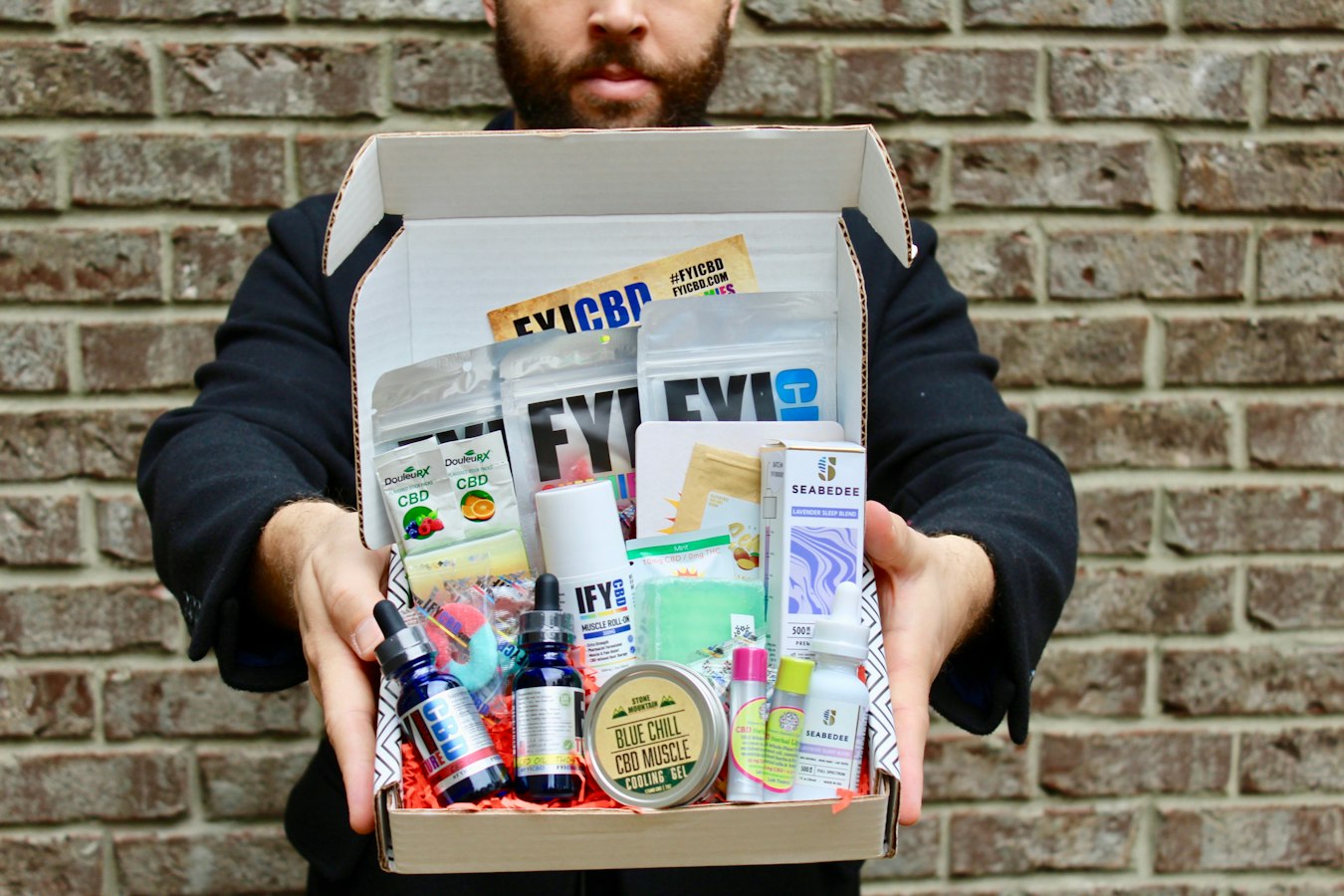
Influencer gifting campaigns look straightforward from the outside. A brand sends product. You photograph an influencer using it. Everyone posts and moves on. But underneath that simple workflow sits a three-way consent puzzle that most standard model release forms were never built to solve.
The brand wants usage rights to the images. You, the photographer, own the copyright. And the influencer controls their own likeness under every state right-of-publicity statute in the country. A two-party release between you and the influencer leaves the brand holding images it cannot legally use for paid promotion. A two-party release between the brand and the influencer cuts you out of the chain entirely. Neither option is complete.
This article identifies the four clauses that routinely go missing from releases on gifting shoots and explains why each one matters before you hand over the files.
Why Gifting Shoots Need a Different Release Than Standard Commercial Work
On a standard commercial shoot, a single brand is the client, the payer, and the authorized user of the images. The release flows in one direction: subject to photographer to brand. Clean.
On a gifting shoot, the structure shifts. The influencer is often both a subject and a creative collaborator. The brand is a third party that was not physically present on set. And the relationship between the photographer and the brand may be indirect, brokered through a talent agency or PR firm. That layered structure means your release has to name every party and every use case upfront, or gaps will surface the moment the brand's media team tries to run a paid ad.
For context on how commercial intent language differs from editorial use, see the Model Release Form: Commercial vs. Editorial Use breakdown. The distinction matters on gifting shoots because the same image can live on the influencer's organic feed and inside a paid brand campaign at the same time.
The four clauses below are the ones most commonly missing from generic templates. Each one addresses a specific breakdown point in the gifting shoot structure.
Clause 1: Named Brand as an Authorized Third-Party Licensee
Most release templates name only two parties: the subject (the influencer) and the photographer or their studio. The brand is nowhere in the document. That omission matters because the brand needs to be an explicitly named, authorized licensee before it can run any paid promotion using the influencer's likeness.
Right-of-publicity statutes in states like California (Civil Code § 3344), New York (Civil Rights Law §§ 50-51), and Texas (Tex. Prop. Code § 26.012) all require that commercial use of a person's name, image, or likeness be authorized by that person. Authorization buried in a general "assigns and licensees" clause is often not specific enough for a brand's legal team, especially if the brand is publicly traded or in a regulated category like alcohol, supplements, or financial services.
Your release should name the brand by its legal entity name and describe exactly what they are authorized to do: run paid social ads, use images in email campaigns, place images in retail displays, or whatever the campaign brief specifies. Vague language creates delays. The brand's legal team will kick the paperwork back, the campaign launch slips, and you get a phone call asking why the release does not cover what everyone assumed it covered.
If the shoot also involves a branded location or product packaging, check whether a property release form is needed alongside the model release.
Clause 2: Paid-Partnership Disclosure and Commercial Intent Language
The Federal Trade Commission requires influencers to disclose material connections to brands in any post where a business relationship exists. That disclosure requirement has a documentation counterpart: your release should confirm that the subject understood, at the time of signing, that the images would be used for commercial purposes including paid-partnership posts.
This clause does two things. First, it confirms that the influencer's consent was informed consent, not just a signature on a form they did not read. Second, it gives the brand a paper trail showing the influencer acknowledged the commercial nature of the content. If an influencer later claims they did not understand the images would appear in paid ads, a release with explicit commercial-intent language is a concrete record of what was agreed on set.
The language does not need to be complex. Something like "Subject acknowledges that images produced during this session may be used in commercial advertising, paid social media promotions, and sponsored content clearly labeled as paid partnership" is direct and specific. What it cannot be is a vague catch-all like "for any and all purposes," which is increasingly challenged as insufficient disclosure of commercial intent.
For a related look at how social media usage language works across channel types, the social media photo release explained guide covers the foundational structure.
Clause 3: Scope of Social Media Channels, Organic, Boosted, and Whitelisted
Social media usage on a gifting shoot can take at least three distinct forms, and each one carries different reach, cost, and consent implications.
Organic posts are standard uploads from the influencer's or brand's own account. Most influencers expect this and consider it implied by the shoot itself.
Boosted posts are organic posts that the brand puts paid spend behind to expand reach. The influencer's face and likeness are now appearing in front of audiences far beyond their existing followers, in a context the influencer did not fully control.
Whitelisted posts are the most expansive use case. Whitelisting gives the brand direct access to run ads from the influencer's account handle, meaning the ads appear to come from the influencer themselves. The influencer's likeness, name, and account identity are all being used in a paid media environment. Without specific written consent, this use can expose the brand to a right-of-publicity claim in any state with a commercial use statute.
Your release needs to name all three tiers and get explicit sign-off on each one. If the brand only has organic rights, write that. If whitelisting is in scope, write that too, with any channel-specific limits (Instagram only, not TikTok, for example). Ambiguity here is the single most common reason campaigns stall after delivery.
The Brand Ambassador Photography Release: Key Clauses article covers adjacent territory if the influencer is also serving as a longer-term brand representative.
Clause 4: Term and Revocation Rights When the Campaign Ends
Gifting campaigns are time-limited. A product launch runs for six weeks. A seasonal campaign wraps in December. But most release forms are written as perpetual grants with no end date, which can create friction when an influencer's relationship with a brand changes, when the product is discontinued, or when the influencer simply wants the imagery removed after a fixed period.
Your release should state the usage term clearly: either a fixed end date, a rolling term tied to campaign milestones, or an explicit perpetual grant if that is what all parties have actually agreed to. If the term is perpetual, say so plainly so the influencer is not surprised later. If it is time-limited, include a process for what happens to existing published posts when the term expires.
Revocation language is equally important. Some states recognize a subject's right to withdraw consent under limited circumstances, and influencers are increasingly aware of this. A well-drafted release does not need to prevent all revocation -- it needs to define the notice period, the method of notice, and what uses survive after revocation (posts already published, for example, typically cannot be retroactively unpublished under most license structures). The Model Release Form Expiration: Perpetual Terms article goes deeper on term structures if you need to work through the options with a client.
How to Get All Four Clauses Signed Before You Leave the Set
The challenge with gifting shoots is that they often feel informal. A brand ships product to a creative space, the influencer arrives with a stylist, and the whole thing has the energy of a collaboration rather than a production. That informal atmosphere is exactly when paperwork gets skipped.
The fix is to treat the release as part of your pre-shoot confirmation, not an afterthought. Send the release for review at least 48 hours before the shoot day so the influencer's management can read it. Flag the four clauses specifically so there are no surprises. If the brand's legal team needs to approve the third-party licensee language, give them time to do that before cameras roll.
On set, get signatures before the shoot starts, not at wrap when everyone is packing up and distracted. A signed release sitting in your bag before the first frame is taken is the only version that gives you full coverage.
SignedShoot is built for exactly this scenario. You build the release in your browser, add the influencer's name, the brand's legal entity as a named licensee, the channel scope, and the usage term. The result is a PDF you can send for signature the same day. Subject details are never uploaded to a server -- the document is built locally in your browser. When the shoot wraps, you have a signed, complete record of what was authorized.
If you are working with multiple subjects on a gifting shoot, the Group Photography Release Form: Who Signs What guide covers how to structure consent when more than one person appears in campaign imagery.
Gifting shoots move fast. The releases that protect everyone involved need to be built to match that pace, with all four parties and all four use cases named before the first shutter click.
SignedShoot templates are based on standard industry practice as documented by ASMP and PPA. They are not attorney-drafted or attorney-reviewed, and nothing in this article is legal advice. Consult a licensed attorney in your jurisdiction for guidance on your specific situation.