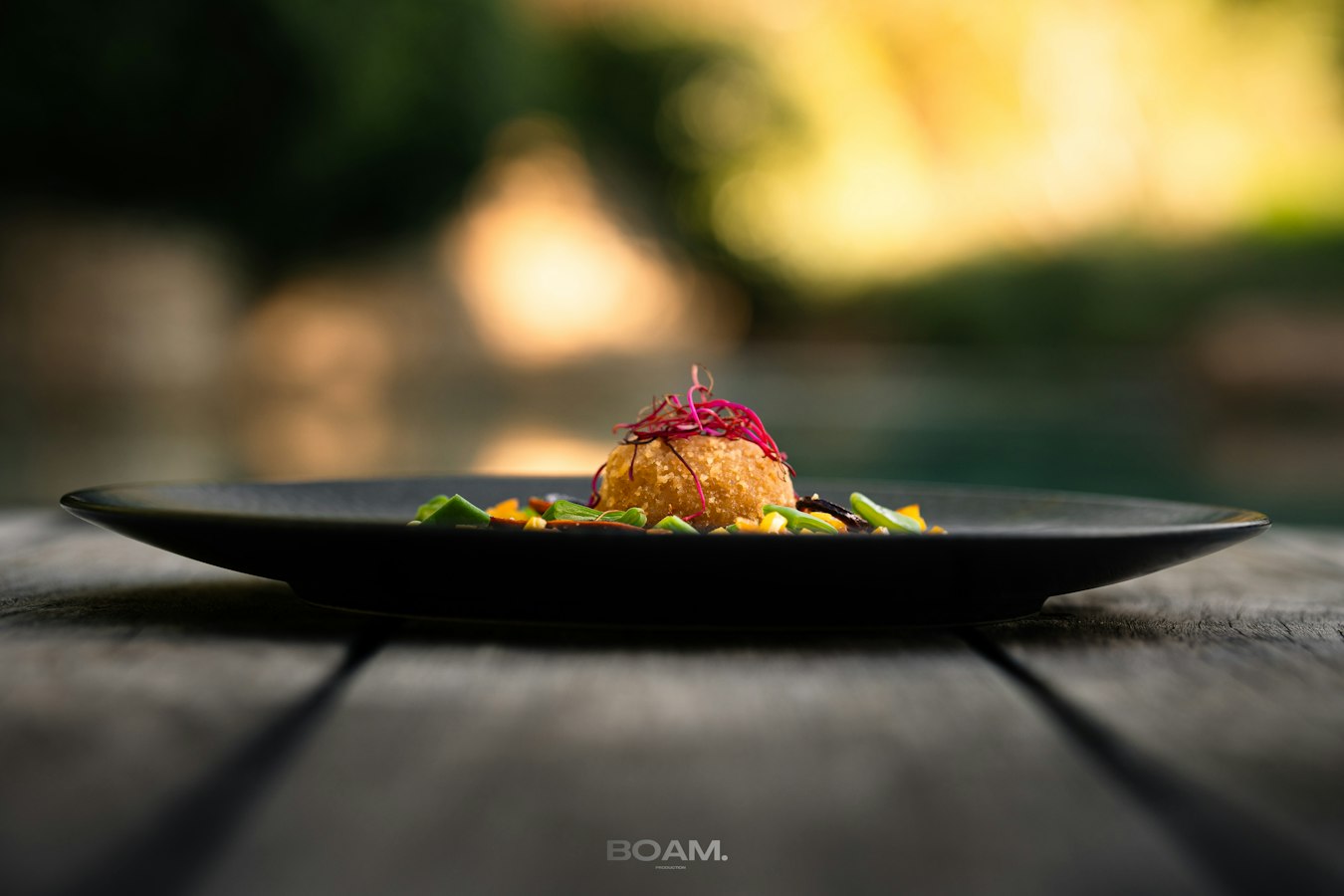
Food photography looks straightforward on paper. You show up, light the dish, capture a few hero shots, and pack up. But the moment you factor in the restaurant's dining room, the chef plating tableside, and the client's branded hot sauce front and center in the frame, you are dealing with three legally distinct consent situations. Miss any one of them and you hand the client images they cannot safely use in paid advertising.
This guide breaks down each release scenario, explains who must sign and why, and gives you a practical order of operations for collecting every signature before you leave the location.
Why One Release Rarely Covers a Full Food Shoot
A single generic release almost never covers a full food shoot because the three types of consent protect three different rights.
A model release documents a person's consent to the commercial use of their likeness. A property release documents an owner's consent to the commercial use of their private space. A product or trademark acknowledgment covers branded goods you have not been hired to advertise. These rights are independent. A chef who signs a model release has not given you permission to use the restaurant's interior in a national ad campaign. The landlord who signs a property release has not given the chef consent to appear in those same images.
State right-of-publicity statutes make this even more specific. California's Civil Code § 3344 covers any recognizable person whose likeness is used for commercial purposes without written consent. New York Civil Rights Law §§ 50 and 51 impose similar requirements. Texas, Florida, Illinois, Georgia, and Virginia all have their own statutes with different definitions and remedies. (See the linked state guides in the sections below for specifics.) The point is that each statute addresses the person, not the property, and neither addresses the third party's trademark on a product label.
To understand how these two primary release types differ from each other at a fundamental level, the property release vs. model release breakdown is worth a read before you book your next food client.
The Chef on Camera: When You Need a Model Release
If a chef, line cook, server, or anyone else is recognizable in your frame and the images will be used commercially, you need a signed model release from that person.
"Recognizable" does not require a clear face. Distinctive tattoos, a name embroidered on a uniform, or a signature plating style that the subject could later claim identifies them can all create exposure. Courts in right-of-publicity states have found identifiability in far less obvious situations.
The release needs to specify:
- Who is granting consent (full legal name, not just "Chef Marco")
- What images are covered (date, location, shoot description)
- What uses are permitted (print advertising, social media, out-of-home, web)
- Whether compensation is being provided or if the grant is royalty-free
For shoots in California, California's right-of-publicity rules for commercial shoots require particular attention because § 3344 provides for statutory damages even without proof of actual harm. If the chef lives in New York and the images run in New York media, New York's §§ 50 and 51 checklist covers what your release language must address.
If you are shooting a larger kitchen crew or a front-of-house team rather than a single chef, you are looking at a group situation. The Group Photography Release Form: Who Signs What article covers how to handle releases when multiple individuals are in frame.
The SignedShoot's model release form tool lets you build a customized release on set, send it for signature, and download a signed PDF before you leave the restaurant. That matters because follow-up requests after the shoot are ignored far more often than in-person asks.
The Restaurant Space: When You Need a Property Release
A restaurant interior is private property. The dining room design, the custom tile work, the neon sign above the bar, and even the distinctive layout of the space can be trade dress that the owner has invested in and controls commercially.
If your food shoot images will be used in paid advertising, a property release from the restaurant owner or an authorized representative (check the lease -- a restaurant tenant may not be the person with authority to grant commercial image rights for the building) is essential.
The release should cover:
- The specific address and areas of the property photographed
- The date and scope of the shoot
- The permitted commercial uses
- Whether the property owner receives any credit or compensation
Property release requirements escalate when the space is architecturally distinctive. A James Beard-nominated restaurant with a recognizable interior has far more incentive to enforce its trade dress rights than a generic diner. High-profile locations carry higher risk. The 7 Shoot Locations With High Property Release Form Risk article maps out which location types warrant extra scrutiny.
If the shoot is at a short-term rental kitchen or a styled Airbnb space, the Property Release Form for Airbnb & VRBO Shoots covers the layered ownership questions that come with those venues.
Use the property release form tool to build a location-specific release rather than repurposing a generic template. The document should reference the actual property, not just say "the location."
Branded Products in the Frame: The Third Signature Most Photographers Miss
This is the release most food photographers skip entirely, and it is the one that creates the most friction when images go to a brand's legal team.
When a third party's branded product appears prominently in a commercial food image, you are dealing with trademark exposure. That bottle of hot sauce, that bag of imported pasta, that six-pack of craft beer -- all of them carry registered trademarks belonging to companies that did not hire you and did not consent to being featured in your client's advertising.
Editorial use is generally lower risk. A magazine food story showing a chef's pantry shelf full of branded products is usually within fair use. But the moment that image runs as a paid social media ad, appears on a product packaging mock-up, or is used in a brand sponsorship campaign, the trademark owner has a legitimate concern.
The practical options are:
- Get a product appearance release or written permission from the brand. This is standard on larger commercial shoots where a branded product is intentional set dressing. Your client's agency often handles this, but confirm it in writing.
- Remove the branding in post. Labels can be blurred or cloned out. Document the decision in your shoot notes.
- Use unbranded hero products. Many food clients bring their own unbranded prop bottles, plates, and packaging specifically to avoid this issue.
- Limit the usage. If the branded product is incidental and the usage is editorial, document the editorial intent in your paperwork.
The key point is that this signature does not come from the restaurant or the chef. It comes from the third-party brand. That makes it a separate chain of consent entirely. For a thorough look at release documentation when branded goods are central to the shoot, the Product Shoot Photography Release Form Guide covers the full workflow.
Commercial vs. Editorial Food Photography: How Usage Changes Everything
The same image can require zero additional paperwork or a full stack of releases depending entirely on where it runs.
Editorial use -- a food blog, a magazine feature, a news article about a restaurant -- generally does not require model or property releases because the First Amendment protects factual, non-commercial reporting. The chef is a public figure in the context of their professional work, and the restaurant is a place of public accommodation that invited coverage.
Commercial use -- advertising, branded content, promotional materials, packaging, out-of-home placements -- requires releases for every recognizable person and every private property in the frame. This is where right-of-publicity statutes and property rights become enforceable.
The confusion happens in the middle: social media posts by the client, influencer partnerships, and content that blurs the line between editorial and paid promotion. A restaurant posting a photo to its own Instagram is not the same as a brand paying to boost that post as a paid advertisement. Once money flows to amplify the image, the commercial use analysis applies.
The Model Release Form: Commercial vs. Editorial Use guide lays out the specific factors that shift an image from editorial to commercial, which is a conversation worth having with your client before the shoot, not after.
How to Collect All Three Signatures Before the Shoot Wraps
The practical failure point is not knowing you need releases. It is the gap between knowing and actually having signed documents in hand. Here is a workable order of operations for a food shoot.
Before the shoot day:
- Confirm with the client what usage rights they need (commercial or editorial, specific channels, territory, duration).
- Identify who will be on camera. Get the chef's name and contact ahead of time.
- Confirm who has authority to sign the property release. The restaurant GM may not be the right signatory if the space is leased.
- Identify any third-party branded products that will be featured and flag them to the client for clearance.
On location, before you shoot:
- Have the model release ready for the chef and any other recognizable talent. Walk through it with them briefly. Know the date, the usage scope, and who the client is.
- Have the property release ready for the owner or their authorized representative.
- Confirm in writing (email is fine) that the client is responsible for product clearances if branded goods are part of the shot list.
Before you pack up:
- Every release should be signed. Not "I'll send it to you tonight." Signed.
- Download your PDFs on the spot. Do not rely on follow-up.
SignedShoot builds the document in your browser, keeps subject details local to your device, and produces a signed PDF you can download immediately on set. That sixty-second collect-and-download workflow is the difference between releases you actually have and releases you meant to get.
If your client is a large restaurant group shooting across multiple locations, you may also need to think about releases at scale. The photo release form generator is built for exactly that kind of repeatable, multi-location workflow.
Food shoots are not simple product work. They are property shoots, portrait shoots, and commercial licensing exercises happening simultaneously. The photographers who stay out of trouble are the ones who treat all three as standard procedure, not as afterthoughts.
The information in this article is based on standard industry practice from organizations including ASMP and PPA. It is not legal advice and does not constitute an attorney-client relationship. Consult a licensed attorney in your jurisdiction for advice specific to your situation.